Yes — but not on your original closing date, and not without doing work you could have done months earlier for a fraction of the stress. An open building permit on a unit almost never surfaces when the work is done. It surfaces when the unit is under contract, a title agent runs a permit search, and suddenly a 2019 air handler replacement is standing between you and a closing. Here’s how it happens, why condos are especially prone to it, and the ten-minute check that takes it off the table. Read on, or watch the video below.
What does title insurance actually cover?
Your owner’s policy covers your ownership: that the seller had the right to sell, that there’s no undisclosed mortgage or judgment riding along, no forged deed or missing heir surfacing later, and that the survey and legal description say what they’re supposed to. It’s insurance on the chain of title, and on most Panama City Beach contracts the seller pays for it — part of why buyers never examine what they got.
Notice what every one of those has in common: they’re recorded problems. Something filed somewhere that a search can go find. That’s exactly why the thing most likely to hold up your closing doesn’t appear — it was never recorded anywhere.
What are the three searches in a Florida closing?
Most people, buyers and sellers alike, think a closing involves one big search. It involves three, and they look in three different places.
The title search examines the recorded chain of title — prior owners, mortgages, judgments, the legal description. Recorded material only.
The municipal lien search finds the unrecorded liabilities the city and county are holding. PropLogix lists them: unpaid water, sewer or trash balances that can become a lien; code enforcement violations, where “the city can impose daily fines that quietly accrue”; special assessments levied through districts, which stay “separate from taxes and utilities and are thus easy to miss”; unpaid stormwater and solid waste fees; and a three-year property tax summary.
The permit search finds open and expired building permits. It normally rides along with the municipal lien search — and it has to be ordered.
Does title insurance cover an open permit?
No. As Becker & Poliakoff states: “Open permits are not covered by title insurance. Open permits are considered matters of zoning and therefore are excluded from title insurance coverage.” That exclusion lives in the policy jacket — the standard fine print behind the schedule page.
And the search doesn’t compensate for it. PropLogix again: “A title search won’t show any open or expired permits, but a full municipal lien search will,” and “title agents aren’t legally obliged to search for these issues before closing.” The policy excludes the problem and the standard search doesn’t hunt for it. If no one orders the permit search, no one looks.
Why do condos end up with open permits inside the unit?
Because of where the ownership line falls. Your association owns and maintains the building — roof, structure, elevators, common elements. You own what’s inside your walls: the air handler, the water heater, the interior electrical.
Those two categories of work get done completely differently. Association work is a large permitted project with a management company, an engineer, and a paper trail, and closing out the permit is somebody’s actual job. Owner work is one licensed contractor and two days. Florida requires a permit to install, remove, or replace an air conditioning system, and the contractor pulls it — but nobody’s assigned to schedule the final inspection, and on this beach that work is squeezed between rental weeks.
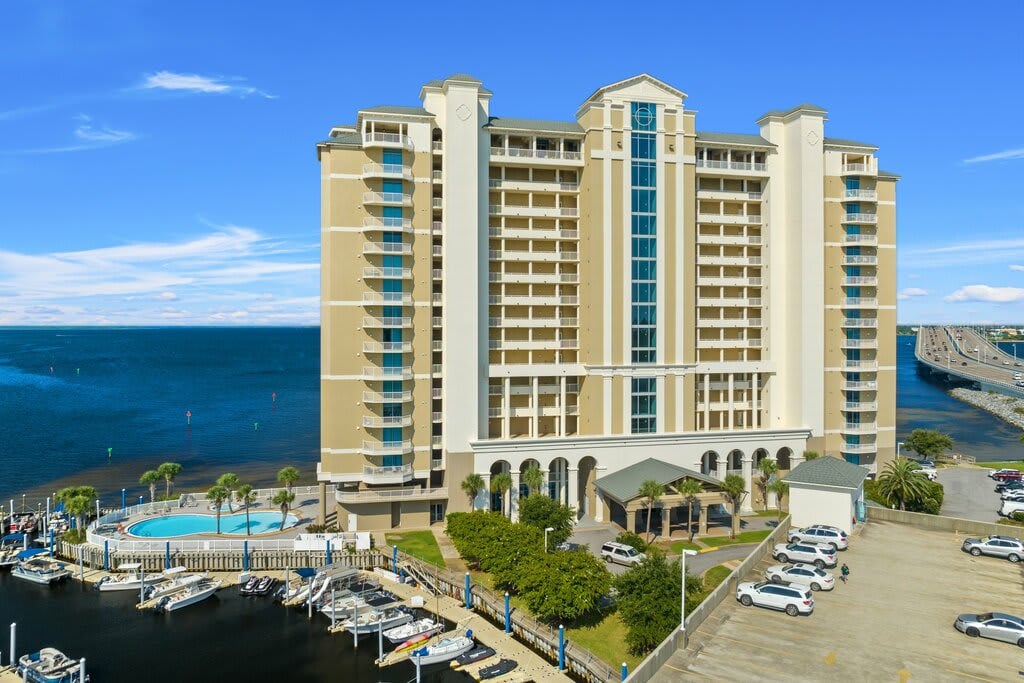
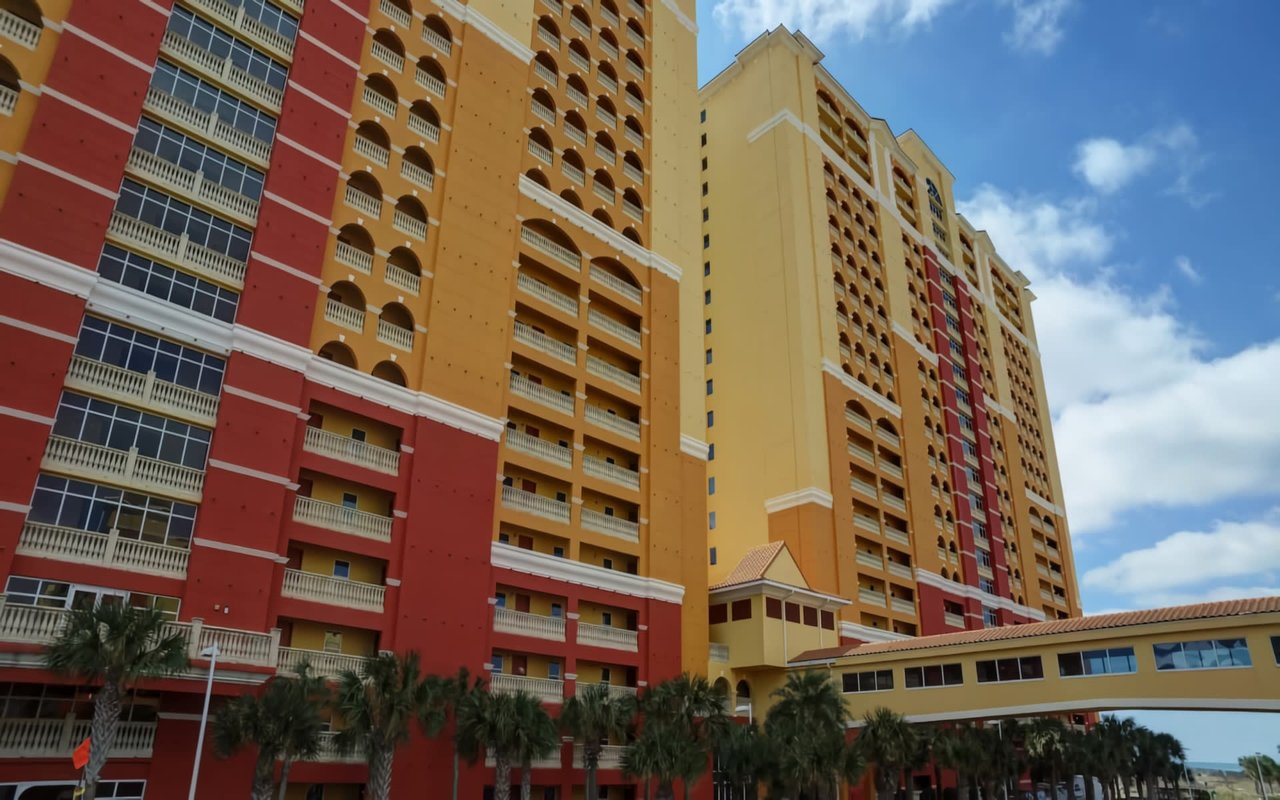
Bobby Lynch at Beach Land and Title, who closes a lot of my files, keeps running into exactly this at one large rental-heavy building on the beach — I’ll leave it unnamed here, as I did in the video: open HVAC permits. After the better part of two decades of Gulf humidity and back-to-back guests, most of those systems are on their second — some their third. The contractor pulls the permit, does the work, the unit goes back into the rotation that week, and nobody comes back for the final. The owner, who lives out of state and had a cold unit two days after calling, never hears another word. That’s a rental-heavy-tower pattern, not one building’s pattern — and rental-heavy towers are most of this beach.
Can you sell a house with an open permit?
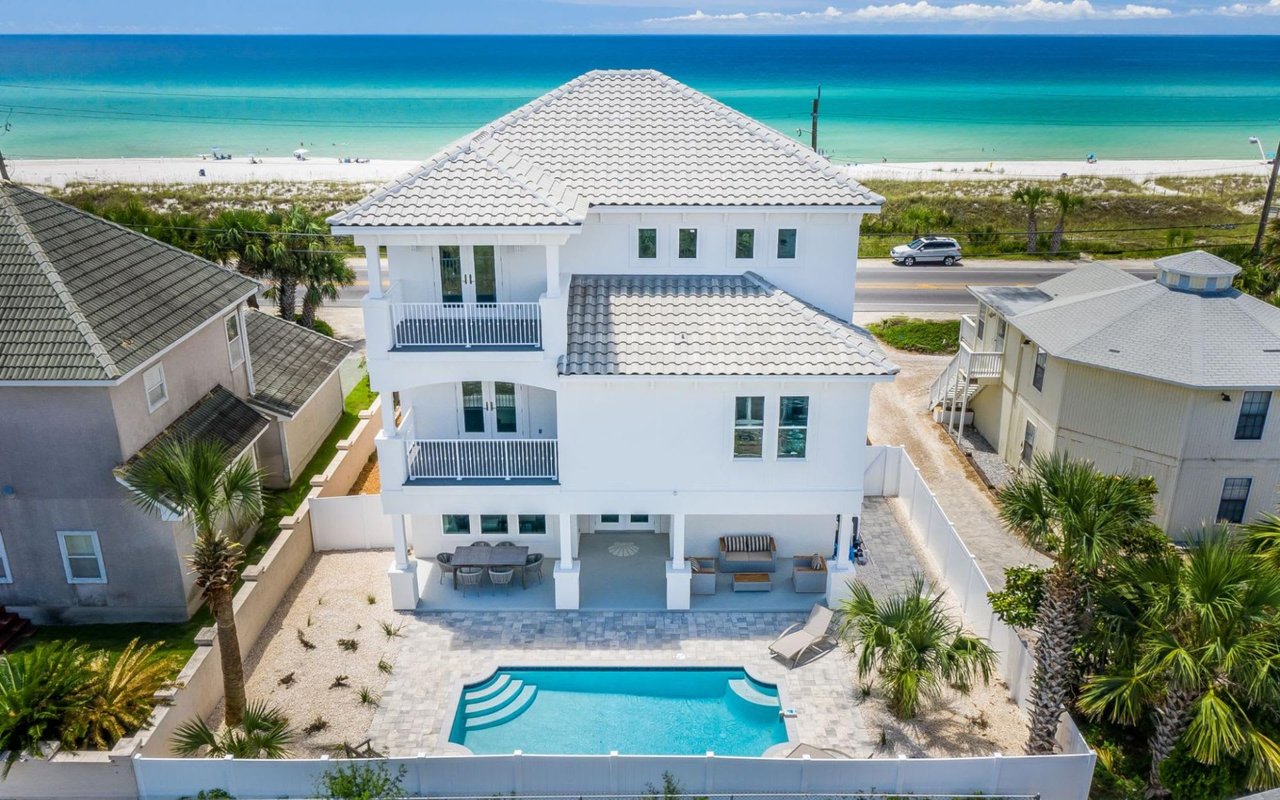
Same answer, and often a bigger exposure. In a house you own both sides of the line — there’s no association, and no management company whose job it is to close anything out. The permit history that matters covers the roof, the electrical panel, the water heater, window replacements after a storm, a lanai or pool enclosure, and any addition a prior owner put on. A condo owner’s exposure is concentrated in a few fast-turnover items inside the unit; a house owner’s is broader and older. The check is identical, and so is the fix.
Can I be penalized for a permit the previous owner opened?
If you’re the buyer, no. Section 553.79(17), Florida Statutes, provides that a local enforcement agency “may not deny issuance of a building permit to; issue a notice of violation to; or fine, penalize, sanction, or assess fees against an arms-length purchaser of a property for value solely because a building permit applied for by a previous owner of the property was not closed.”
Read who that protects: the purchaser. The legislature was right to do it — a buyer inheriting someone else’s paperwork and being fined for it isn’t justice. But it settled who holds the problem, not whether the problem exists. The person holding it is the one selling.
How do I close an open permit on my own condo?
You don’t need the original owner or, necessarily, the original contractor. Section 553.79(16) provides that “a property owner, regardless of whether the property owner is the one listed on the application for the building permit, may close a building permit” — by retaining the original contractor, hiring a different appropriately licensed one, or assuming the owner-builder role. The same subsection provides that an expired permit whose requirements have been substantially completed, as determined by the local enforcement agency, “may be closed without having to obtain a new building permit,” and that an agency may close a permit six years after issuance even without a final inspection if it determines no apparent safety hazards exist.
That’s a cheap, boring problem — right up until someone is waiting on it.
How do I check for open permits on my Panama City Beach condo?
Two steps, both free.
Look your unit up. Permits here are issued by either the City of Panama City Beach or Bay County depending on where the building sits, and both maintain public permit and inspection search by address. Ten minutes.
Then check your own history. If you’ve replaced an air handler or water heater, or had any electrical work done inside the unit since you’ve owned it, find out who did the work and whether they closed the permit. “I don’t remember” is the same as not knowing — and it’s the same ten-minute look.
My honest guess is most owners who check will find nothing. Check anyway. The cost of looking today is ten minutes; the cost of finding out in escrow is your closing date. If you’d rather not deal with it, send me the address and I’ll look — I do it on every listing before it goes live. And if you’re weighing a sale generally, start with what your unit is worth today using my Home Valuation tool.
FAQ
Own a condo on this beach and want to know what’s on your unit? Send me the address: 850-290-0417.
This post is general information for Panama City Beach property owners. It is not legal advice, and reading it doesn’t create an attorney-client relationship. I’m a licensed Florida real estate agent, not an attorney. Statutes and local permitting rules change — the Florida Statutes quoted here are current as of September 2026 — and every contract and every building’s documents are different. For how any of this applies to your specific situation, your specific contract, or a specific open permit, talk to a Florida real estate attorney. Nothing here should be relied on in place of that advice.