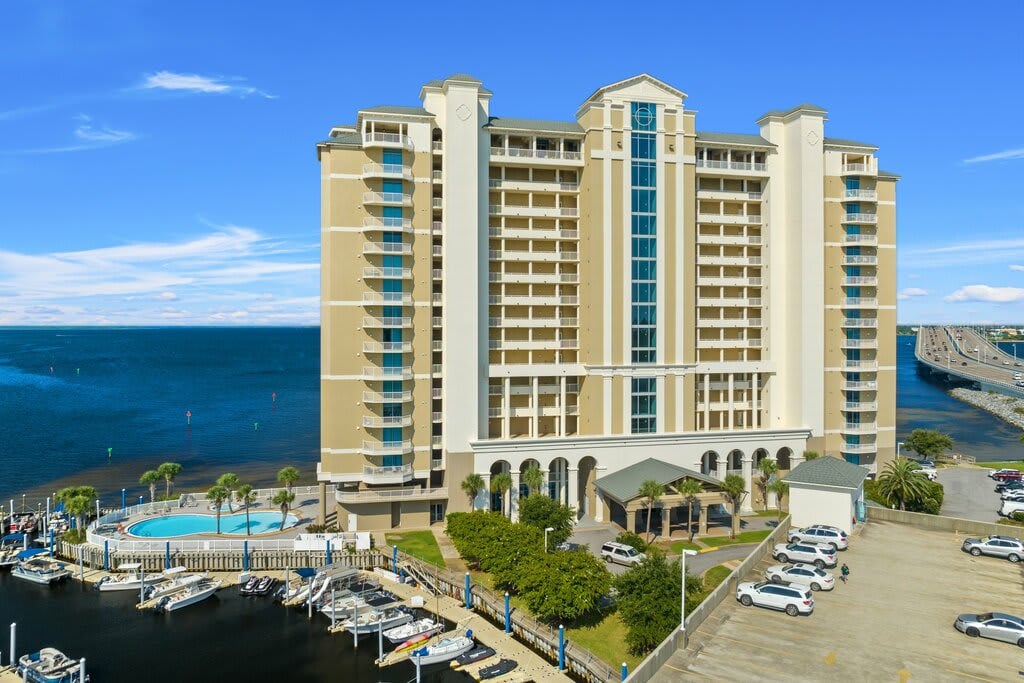
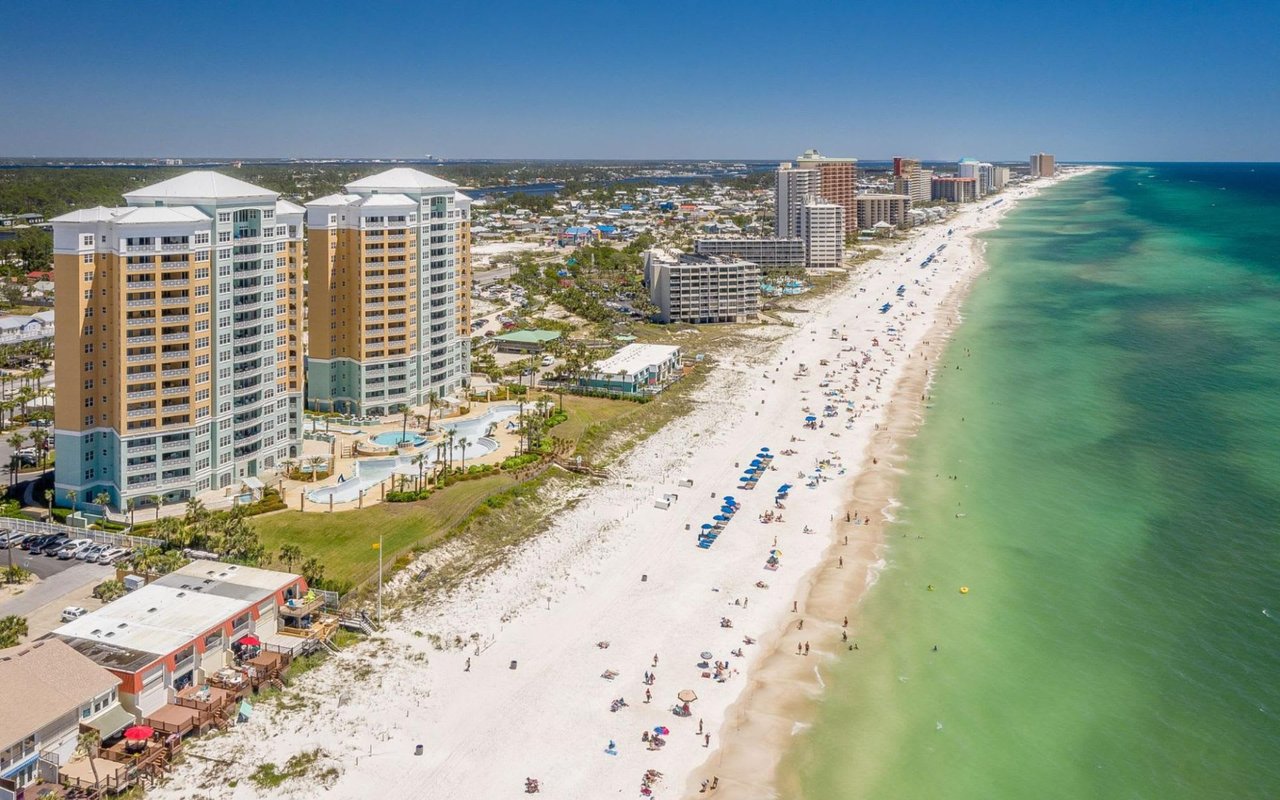
I get this question all the time, so let me answer it directly: Gulf-front condo inventory in Panama City Beach is sitting at 8.3 months right now, from my own MLS pull this August. In February 2009, right as the last crash was getting started, it was 7.6. So yes — we're slower today than we were at the beginning of the last housing crash. But the reasons are completely different, and honestly, I think we're already two years into a pretty significant correction. The better question isn't whether one is coming. It's what you do from here.
(Or watch the 14-minute video, where I walk through all of it on screen)
What does 8.3 months of inventory actually mean?
Five or six months of inventory has been a neutral market in real estate for decades. Lower is better for sellers.
Here's the stretch of history worth knowing, all from my own MLS data on the Gulf-front condo market:
February 2009, the beginning of the crash: 7.6 months. April 2020, the first month of COVID — when we genuinely didn't know if we'd ever sell a condo again: 9.3.
March 2021, the hottest market I've seen in over twenty years of selling condos here: 0.4 months. Think about that one for a second. Point-four months means the entire market — every condo for sale — was getting shown, negotiated, inspected, appraised and closed in less than half a month.
Today: 8.3. Slower than the start of the last crash. Not quite as frozen as the first month of COVID. Nowhere near the frenzy everyone still remembers.
Is this the same as 2009?
Similar numbers, different engine. In 2009 the supply came from credit. No-doc loans were resetting, banks were dumping foreclosures and short sales as fast as they could to get them off the books, and sellers were underwater with no choices. The inventory was being forced onto the market.
Today, almost nobody is being foreclosed on. The supply is coming from the cost of owning: structural integrity reserve study requirements, milestone inspections, higher reserve funding, potential assessments — and rental revenue coming down at the same time. It's more expensive to own the condo and it's bringing in less. A lot of owners have also had a very good run since 2011 or 2012, and some are simply deciding they're done.
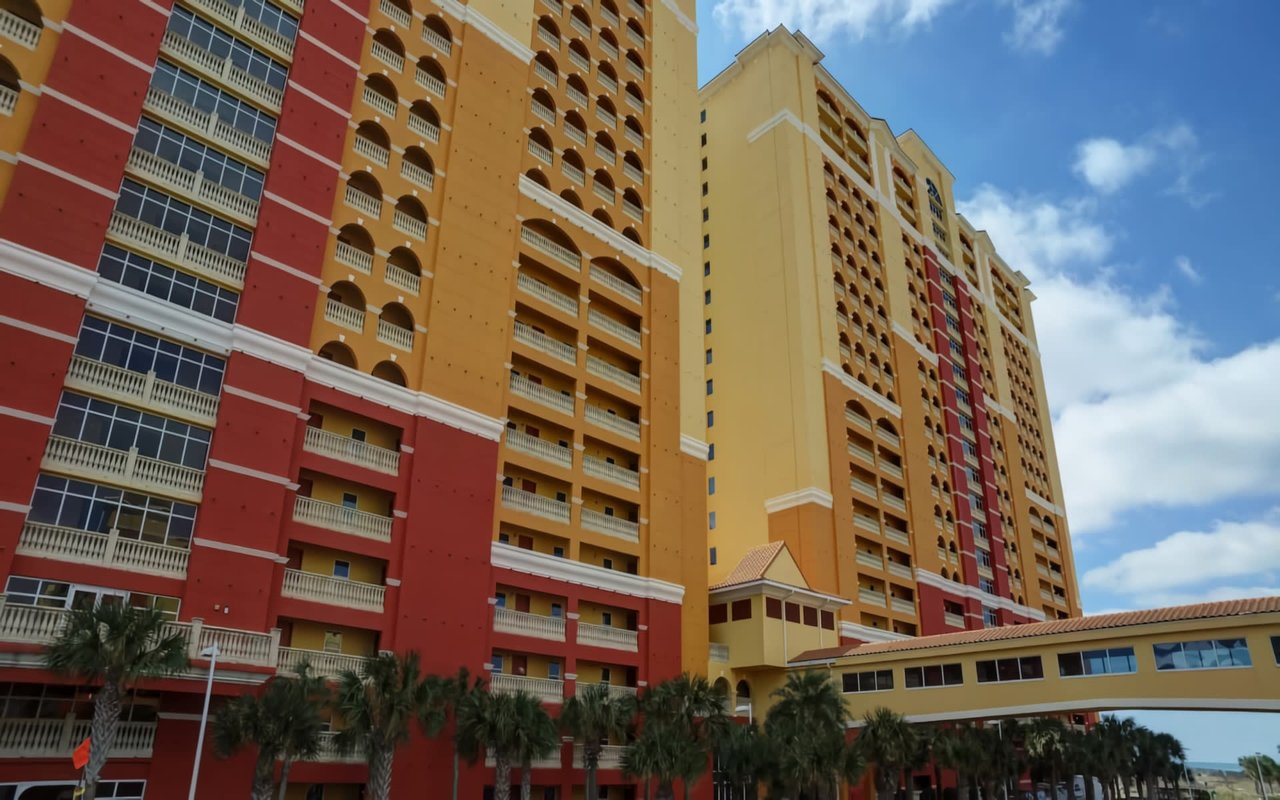
Two years ago I asked the president of a local bank what he thought was coming. He told me it would be "eerily similar to 2008 and '09, but a slower burn" — the market would still move down, maybe dramatically, but over more time, because there's no bank machinery forcing the pace. Two years on, I think he was right. We're selling fewer condos, prices are clearly moving down across most projects, and I can point to floor plans off 30% from their peak that still aren't getting showings. There's a unit in Calypso that peaked around $1.3 million sitting at $998,000 right now. Three-bedrooms in Long Beach that traded over $2 million — one is asking $799,000. Everything's on sale.
What are buyers actually considering now?
Here's the shift that matters most if you own: the buyer isn't considering just your unit anymore. They're evaluating your entire building. Five years ago I'd get a question about reserves or assessments maybe one deal in ten. Now it's nine in ten. Are the reserves funded? Is the milestone inspection done? Is an assessment coming? Buyers and their agents start with the building before they ever get to your view.
And Florida law now backs that up. When you sell, the condo rider asks — I'm paraphrasing, and I'm not an attorney — whether any assessments have been levied, approved but not yet levied, or even been an agenda item in board meetings in the last twelve months. That's on you to disclose. If your board hasn't kept you informed, ask. You're allowed to ask.
What should you do if you're selling in the next 12 months?
Price to the 8.3-month market — not to 2021, and not to your neighbor's asking price. Dig into how long the other units in your building have actually been sitting. And remember: at 8.3 months of inventory, being the third-best price in your building isn't a position, it's a wait. You're waiting on the cheaper units to sell first, probably below their asking — which means when you finally reset, you're resetting to where they sold, not where they asked.
Have the reserve study and milestone answers ready before your first showing. If your agent isn't asking you for those documents, that's a red flag.
If you're holding, keep track of your value anyway — it's moving — and pay attention to what your association is discussing, because that disclosure clock is already running. If you'd like a current number on your unit, start with my home valuation tool.
FAQ
Next month I'm putting out individual video analyses for each condo building, floor plan by floor plan. If you own in one of them and want yours, call or text me at 850-290-0417.